
Cardiology & Electrophysiology
Neurology
Primary & Integrative Care
Pain & Chiropractic
Longevity & Wellness
Research & Clinical Trials
Services
ANS Monitoring Solutions for Clinics, Home Care, and Research
Looking for a dependable, FDA-cleared autonomic monitoring solution? Physio PS is built to help your practice deliver better answers.
See the technology live in a 60-minute
virtual session.


— Services
ANS Monitoring Solutions for Clinics, Home Care, and Research
Looking for a dependable, FDA-cleared autonomic monitoring solution? Physio PS is built to help your practice deliver better answers.
See the technology live in a 60-minute virtual session.
— Who We Serve
Built Around How Your
Specialty Actually Works
The same FDA-cleared assessment answers a different question in each practice. Find yours below.
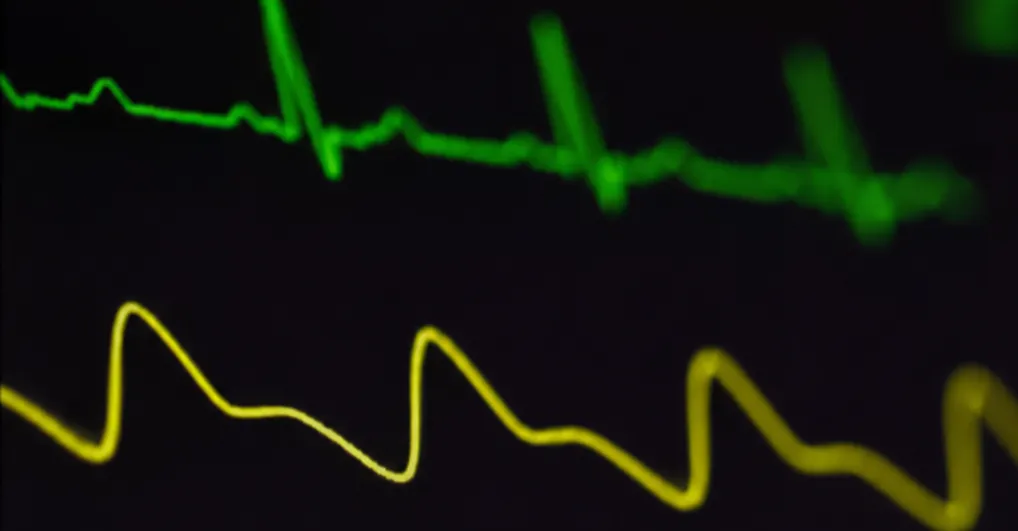
CARDIOLOGISTS & ELECTROPHYSIOLOGISTS
Cardiology
Differentiate syncope from orthostatic dysfunction, quantify the autonomic component of dysrhythmia, and catch CHF decompensation before weight gain shows it.
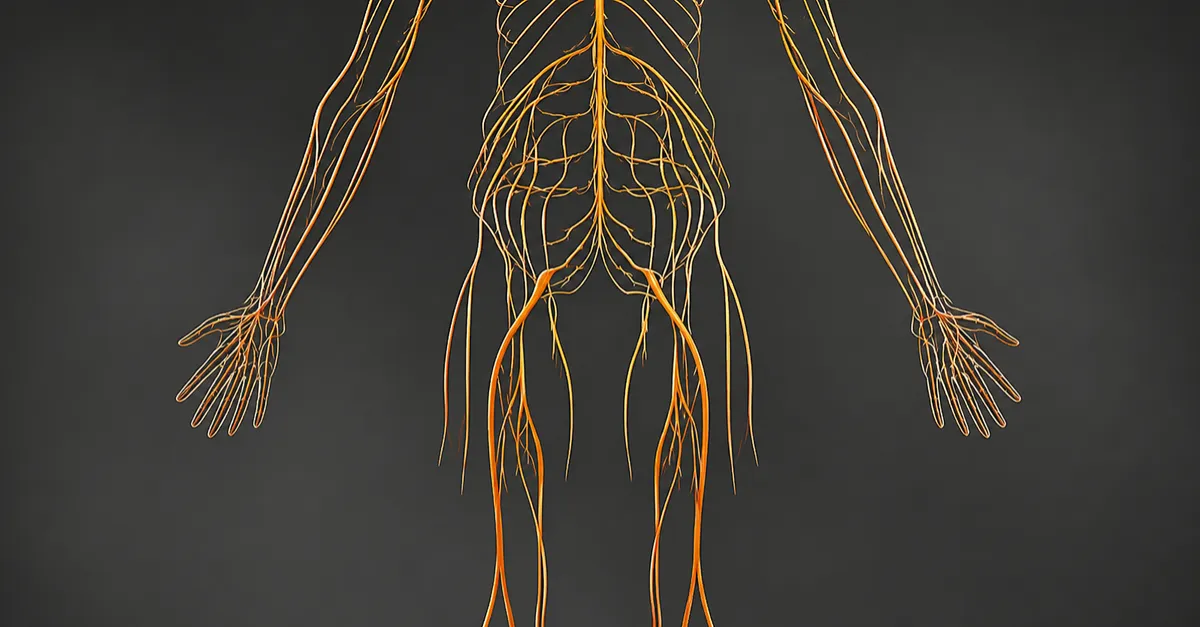
NEUROLOGISTS
Neurology
Separate parasympathetic from sympathetic drivers in headache, migraine, Parkinsonism and MSA, and identify autonomic neuropathy at its earliest stage.

GPS, PHYSICIANS, NATUROPATHS, INTEGRATIVE HEALTH
Primary & Integrative Care
Add autonomic nervous system testing to your annual patient assessment to help evaluate autonomic function, provide objective clinical insights, and better understand symptoms such as fatigue, anxiety, and dizziness.

CHIROPRACTORS, PAIN CLINICS
Pain & Chiropractic
Document the autonomic component of chronic pain, CRPS and post-concussion recovery, and track response to care visit over visit.
LONGEVITY
Longevity & Wellness
Measure recovery, overtraining and concussion objectively, and build longevity programmes on autonomic balance rather than heart rate variability alone.

RESEARCHERS, CLINICAL TRIALS, AEROTOXICITY
Research & Clinical Trials
A one-year renewable research license on the same platform used by physicians worldwide, measuring both branches independently and simultaneously.

Joseph Colombo, PhD, DNM, DHS
— Founder and Chief Editor
A lead author of Clinical Autonomic Dysfunction: Measurement, Indications, Therapies, and Outcomes (Springer, 2014), the reference Physio PS cites for RFa as a measure of parasympathetic activity and LFa as a measure of sympathetic activity.
Doctors, researchers and clinical support staff, working from the same complete picture.
— Our story
Physio PS was built around a moment
that changed everything.
Co-founder Steve O'Leary thought he was in good health, until a routine 15-minute ANS monitoring session revealed he had Cardiac Autonomic Neuropathy.
That diagnosis, he says, saved his life. He founded Physio PS to ensure that same clarity was available to patients and physicians everywhere.
Today, the company brings together doctors, researchers, and clinical support staff united by one mission: to improve the way people understand and respond to imbalances in the autonomic nervous system. The technology is FDA 510(k) cleared, used by physicians and researchers worldwide, and backed by published research.
It's the only solution on the market that measures both parasympathetic and sympathetic branches independently, simultaneously, and quantitatively, giving medical professionals the complete picture other tools simply can't provide.
— What the Name Means
Physio PS: Physiology, Parasympathetic and Sympathetic
The name states what the technology measures.
Physio · Greek phýsis
Physiology
How the body actually functions. Each assessment reads the autonomic function of the patient in front of the medical professional, measured, not reported on a questionnaire.
Autonomic · autós + nómos
The Autonomic Nervous System
Autós, self, and nómos, law. The system that governs heart rate, blood pressure, digestion and recovery below conscious control.
P · Parasympathetic
Parasympathetic
From Greek pará, alongside. The branch that governs rest, digestion and recovery.
S · Sympathetic
Sympathetic
From Greek sympátheia, feeling together. The branch that mobilises the body under load. Physio PS resolves it as its own trace, alongside the parasympathetic.
— COnditions
43 Conditions Where Autonomic
Data Changes the Picture
Grouped by specialty, each with the parasympathetic or sympathetic pattern behind it.
Neurology
Headaches
P&S-mediated headaches trace to improper brain perfusion. Monitoring specifies whether the parasympathetic or sympathetic branch is driving it.
Migraine
Some forms are parasympathetically mediated, some sympathetically. Monitoring separates the two and enables more specific therapy.
ADD / ADHD
Characterised by a challenge PE that causes a secondary SE, responsible for both the attention deficit and the hyperactivity.
Depression
Characterised by PE, resting or challenge. Depression persisting after P&S are balanced is psychological rather than physiologic.
Anxiety
Two underlying forms: resting sympathetic excess, or a challenge PE releasing excess adrenaline secondary to depression.
Post-Traumatic Stress Disorder (PTSD)
Involves both PE and SE, presenting as sleep, GI, bladder and bowel dysfunction, lightheadedness and depression.
Sleep Disorders
Night-time sleeplessness is associated with SE; daytime sleepiness with PE.
Parkinson’s Disease
A catecholaminergic disorder. Monitoring identifies cardiovascular autonomic neuropathy to help minimise mortality risk.
Multiple System Atrophy (Shy-Drager)
Nearly identical to Parkinson’s early on. Because Parkinson’s preserves sympathetic innervation to the heart, monitoring differentiates the two sooner.
Idiopathic Peripheral Autonomic Neuropathy
One of the earliest signs of P&S dysfunction, enabling earlier and more aggressive therapy.
Chronic Regional Pain Syndrome (CRPS / RSD)
Pain with both SE, from the stress of pain, and PE, from compromised regional blood flow.
Multiple Sclerosis
P&S balance helps maintain quality of life; monitoring identifies autonomic neuropathy to minimise mortality risk.
Polyneuropathy
Sensory and motor neuropathies are preceded by autonomic neuropathy causing poor circulation.
Orthostatic Hypotension
Associated with sympathetic withdrawal causing a drop in blood pressure on standing. Monitoring quantifies it specifically.
Syncope and Collapse
Monitoring positively identifies vasovagal and neurogenic syncope, and separates the neuro component from the cardio.
POTS
Monitoring quantifies the sympathetic response to standing, differentiating orthostatic dysfunction from syncope where tilt-table struggles.
Dizziness, Lightheadedness and Vertigo
Multiple causes, especially in geriatrics. Consider vestibular testing alongside P&S monitoring.
Chronic Fatigue Syndrome
Characterised by low sympathetic baseline or challenge PE.
Cardiology
Hypertension
Typically characterised by SE driving up the baroreceptor reflex, beginning with a decline in resting parasympathetic activity.
Cardiac Dysrhythmias
Roughly 80% of atrial dysrhythmias involve the P&S systems. Monitoring specifies which branch.
Atherosclerosis
Induces sympathetic excess, and may be induced by it where endothelial dysfunction is involved.
Mitral Valve Prolapse Syndrome
Empirically associated with parasympathetic excess where not a structural cardiac issue.
Congestive Heart Failure
Characterised by high sympathetic baseline, which precedes even the 3% weight-gain indicator by up to four days.
Angina
A form of coronary artery disease and a function of sympathetic excess, from vasoconstriction or atherosclerotic build-up.
Cardiomyopathy
Characterised by SE; different forms may be induced by orthostatic dysfunction or syncope.
Post-MI
Myocardial infarction causes sympathetic excess; post-MI symptoms follow from it.
Internal Medicine
Post-COVID / Long-COVID
Autonomic dysfunction from a variety of causes, including the diagnosis and treatment of people suffering post-COVID symptoms.
Fibromyalgia
Now accepted as an autonomic dysfunction, typically characterised by challenge PE with secondary SE.
Irritable Bowel Syndrome
IBS with constipation follows parasympathetic insufficiency; IBS with diarrhoea follows PE and excess motility.
Gastroparesis
At least in part a result of parasympathetic insufficiency.
GERD
Overactive gastric motility from PE, or gastroparesis from parasympathetic insufficiency.
Morbid Obesity
Either stress-induced challenge PE putting the body into starvation mode, or a resting low sympathetic baseline keeping metabolism low.
Immunity Deficiency
The parasympathetic system gives the immune system its memory; weak P-activity promotes deficiency.
Edema
Lower-body edema is associated with sympathetic withdrawal; generalised edema with PE.
Sex Dysfunction
Requires coordination between both branches; monitoring shows which is out of balance.
Endocrinology
Diabetes
Both types are characterised by SE, then by the continuing effects of sugar acidosis on the vagus nerve.
Thyroid Disorders
Hyperthyroidism is characterised by SE, hypothyroidism by PE shutting down hormone production.
Menopausal Symptoms
Characterised by challenge PE, shutting down oestrogen and progesterone production at least in part.
Pulmonology
Sleep Apnea
Parasympathetic insufficiency underlies soft-palate collapse; CPAP relieves the stress but not the sympathetic excess behind the comorbidities.
COPD
Beta-2 adrenergic agonists affect the heart. Monitoring helps titrate therapy without inducing heart disease via induced SE.
Asthma
The same titration question as COPD: manage the airway without driving sympathetic excess.
Nephrology
Hypertensive Renal Disease
Characterised by SE, then by the continuing effects of uremic toxicity on the vagus nerve.
Renal Failure
Resting sympathetic excess is exacerbated, either causing or caused by the hypertension.
P = parasympathetic, S = sympathetic. PE and SE denote excess in the respective branch; SW denotes sympathetic withdrawal.
Desktop ANS Monitoring Built for Your Clinic

The Clinical Monitoring Unit (CMU) is Physio PS’s flagship desktop-based autonomic nervous system monitoring system, purpose-built for clinic environments where reliability and workflow integration matter most. Designed for physicians who want to offer complete ANS function testing without disrupting their existing protocols, the CMU delivers fully automated assessments in a non-invasive. Supported by fundable billing codes and backed by FDA 510(k) clearance, the CMU includes training and certification so your team is ready from day one.
Supported by fundable billing codes, which add a documented revenue stream to your practice without adding staff burden
FDA 510(k) cleared: meets U.S. medical device standards so you can integrate with confidence
Automated qualitative, quantitative, and graphical reports delivered without manual interpretation
Includes training and certification so your team is ready from day one
See the CMU in action, book a free demo and
find out how it fits your clinic.
✓ FDA 510(k) Cleared
✓ Patented Technology
✓ Backed by Published Research
Integrate ANS Testing Into Your Practice
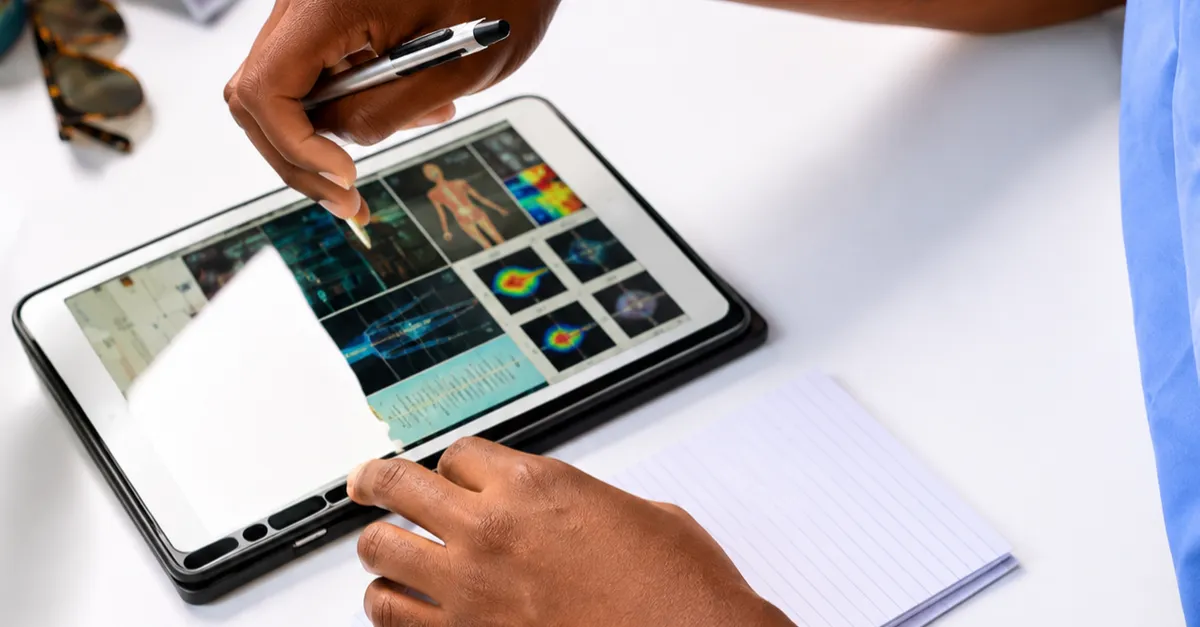
ANS monitoring integration is more than installing hardware; it’s redesigning how your practice identifies and responds to autonomic dysfunction. Physio PS works directly with medical practices to integrate autonomic nervous system function testing into existing clinical workflows. The process includes automated reporting, patient-facing results, and clinical guidance throughout. Whether you’re adding biofeedback coaching, preventive health screenings, or nervous system-focused wellness programs, the integration is designed to fit your protocols, not replace them. No tilt table required. No complex setup.
Integrates with your existing treatment protocols, with no workflow overhaul required
Automated assessments with detailed reports ready for both medical professional review and patient communication
Opens the door to cash-based add-on services: biofeedback and recovery coaching, preventive screenings, and performance optimization packages
Clinical guidance and training included so your team is supported through every step
Ready to add ANS testing to your practice? Book a free demo or speak with an ANS expert today.
Portable ANS Monitoring for Home Care and Sports Medicine
The Remote Monitoring Unit (RMU) brings complete autonomic nervous system monitoring to wherever your patients are. Built around a tablet platform and powered by battery, the RMU is compact, portable, and purpose-designed for in-home care providers and sports medicine practitioners who need clinical-grade ANS testing outside a traditional clinic setting. It includes the same proprietary software and reporting engine as the CMU, the hardware just goes where you go. The RMU comes packaged in a compact nylon briefcase with a heart rate monitor, ECG leads, blood pressure cuff, and full training and certification.
Battery-powered and tablet-based, fully functional without a fixed power source or desk setup
Compact nylon briefcase keeps everything organised and ready for in-home or field visits
Same software and reporting as the clinic unit, with no compromise on diagnostic quality
Designed to support practice revenue generation, ask about billing code applicability during your demo
Find out if the RMU is the right fit for your practice, book a free demo today.
Laptop-Based Autonomic Lab for Medical Professionals on the Go

The Portable Autonomic Lab (PAL) is Physio PS’s laptop-based ANS monitoring solution, designed for the medical professional who doesn’t stay in one place. Whether you’re moving between hospital departments, travelling between facilities, or conducting field-based assessments, the PAL delivers complete autonomic nervous system testing without sacrificing reporting depth. Multiple power options give it flexibility the desktop unit can’t match, and the compact nylon briefcase keeps the full kit organised and ready for wherever the work takes you.
Multiple power options mean the PAL works in settings where a fixed power source isn’t guaranteed
Laptop-based form factor is lighter and more deployable than desktop equipment without losing software capability
Same proprietary software, training, and certification included, for consistent clinical results across every location
Enables more personalised patient care by bringing the assessment to the patient, not the other way around
See the PAL in action, book a free demo and find the configuration that fits your practice.
ANS Research Software for Autonomic Dysfunction Studies
Physio PS 4.0 is the research software program from Physio PS, made available to approved researchers under a one-year renewable research license. If your work involves autonomic dysfunction, cardiac autonomic neuropathy, or parasympathetic and sympathetic function, this is the software platform built for it. The same technology that underpins the clinical monitoring units has been used at multiple research institutions and has contributed to published studies and books. Researchers apply for access via an online form on the Research Center page, licenses are reviewed and granted to approved applicants.
Built on the same platform used by physicians and researchers worldwide, not a stripped-down academic version
One-year renewable license gives research teams sustained access without long-term procurement barriers
Backed by published research: you’re building on an established evidence base, not starting from scratch
Measures both parasympathetic and sympathetic branches independently and simultaneously, a capability no other tool on the market provides
Apply for a research license or speak with an ANS expert to find out if Physio PS 4.0 is right for your study.
— Who Uses Physio PS
Trusted by Leading Health
Systems and Universities
Sampling of Customers across the US and internationally.
Hospital Systems (9)
-NYU Langone, NY
-JFK Hospitals, NY
-Hackensack Meridian Health, NJ
-Emory Hospital, GA
-Main Line Health, PA
-Boston Children's Hospital, MA
-Mass General, MA
-UZ Brussel, Belgium
-EpiCura, Belgium
Government (3)
-Atlanta VA Medical Center, GA
-East Orange VA, NJ
-Walter Reed National Military Medical Center, MD
Universities and Medical Schools (16)
United States
-Stanford University, CA
-USC, CA
-University of Michigan, MI
-University of Alabama, AL
-University of Louisville, KY
-Temple University, PA
-Eastern Virginia Medical School, VA
-Augusta University
-Logan University
-Boston Children's Hospital, Harvard, MA
International
-Cornell University, Qatar
-University of Adelaide, Australia
-University of Manchester, UK
-University of Zagreb, Croatia
-Medical University of Sofia, Bulgaria
-Deutsches Diabetes-Zentrum, Germany
Doctors' Offices and Groups (25)
-Franklin Cardiovascular, NJ
-Wellstar Cardiovascular Medicine, GA
-Fawaz Medical and Surgical Clinic, FL
-Queens Medical NYC, NY
-Nemechek Autonomic Medicine, AZ
-Luminary Clinics, NH and SC
-Luminary Mexico
-Clinica Cardiovascular, PR
-Dr. Ramesh K. Adiraju, MD, NJ
-Dr. Antonio V. Baute, GA
-Dr. Alan Vinitsky, MD
-Dr. Christopher Droogan, PA
-Dr. Suketu Nanavati, NJ
-Dr. Michael Weintraub, NY
-Dr. Gerald Smith, PA
-Dr. Karabach, MD, NJ
-Delvis A. Celdran, MD PA, FL
-Dr. Ramon Castello, FL
-Dr. Kavtaradze, FL
-Dr. MaryBeth Ayer, FL
-Dr. Robin Hall, HI
-Dr. Swamy Venuturupalli, CA
-Dr. Jitendra Patel, OR
-Dr. Trabanco, PR
-Dr. Reillo, PR
-Dr. Anja, Australia
— Reporting engine
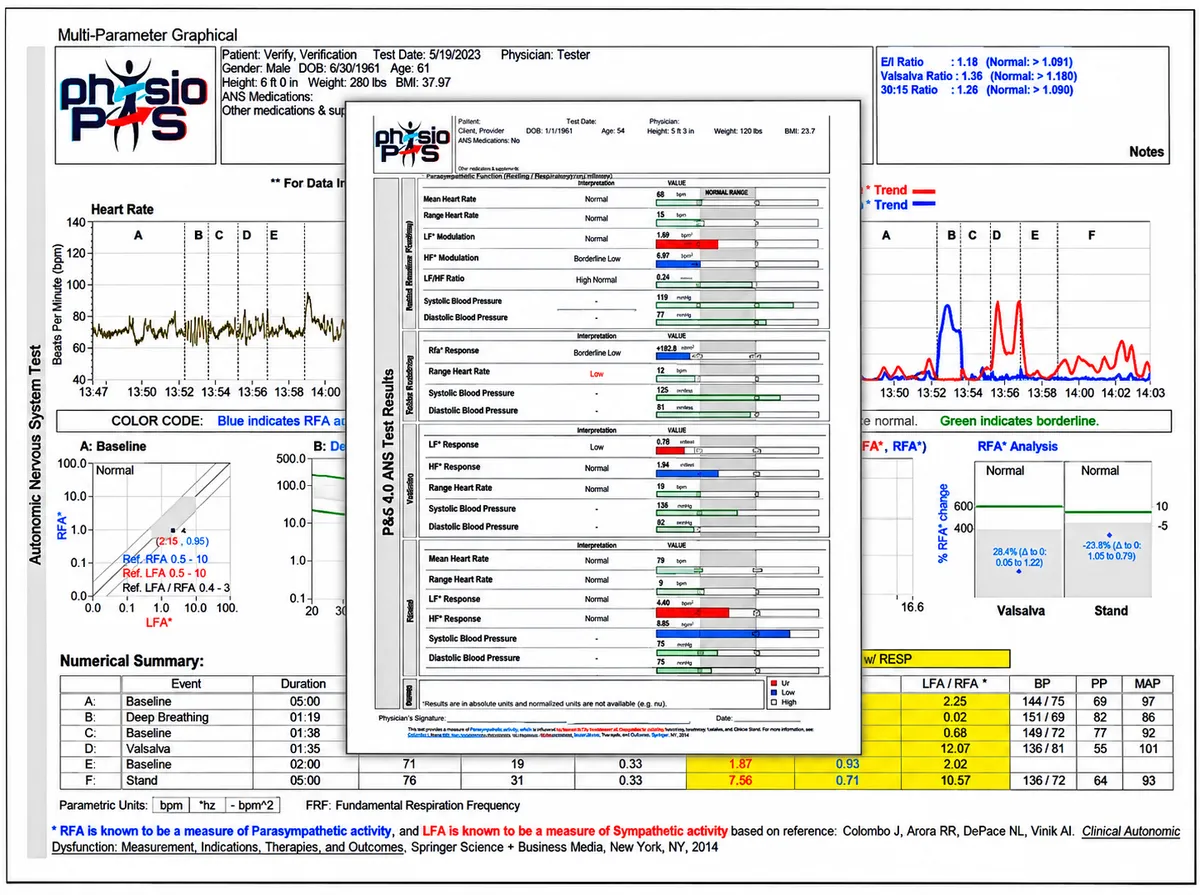
An actual Physio PS 4.0 multi-parameter graphical report. RFa is known to be a measure of Parasympathetic activity, and LFa is known to be a measure of Sympathetic activity, based on Colombo J, Arora RR, DePace NL, Vinik AI, Clinical Autonomic Dysfunction: Measurement, Indications, Therapies, and Outcomes, Springer Science + Business Media, New York, NY.
From Recording to Clinical Report by the Time the Patient Stands
Every configuration runs the same proprietary software: spectral P&S analysis, automated pattern recognition and a report ready for medical professionals generated without manual interpretation.
P&S Spectral Analysis
Frequency-domain decomposition isolating sympathetic (LFa) and parasympathetic (RFa) tones across baseline, deep breathing, Valsalva and standing challenges.
Automated Pattern Recognition
Detection of autonomic dysfunction, sympathetic excess, parasympathetic excess, and cardiovascular autonomic neuropathy staging.
Instant Report Generation
Qualitative, quantitative and graphical output, ready for medical professionals, with therapy recommendations grounded in the published P&S methodology.
— Session protocol

3.5M+
Veterans exposed to burn pits
86%
Report chronic health issues
Clinical focus: burn-pit and deployment toxicity · TBI · PTSD vagal-tone restoration.
ANS Monitoring That Gives Medical
Professionals Real Answers
Real-Time Autonomic Nervous System Testing in 15 Minutes

What Happens During the Test
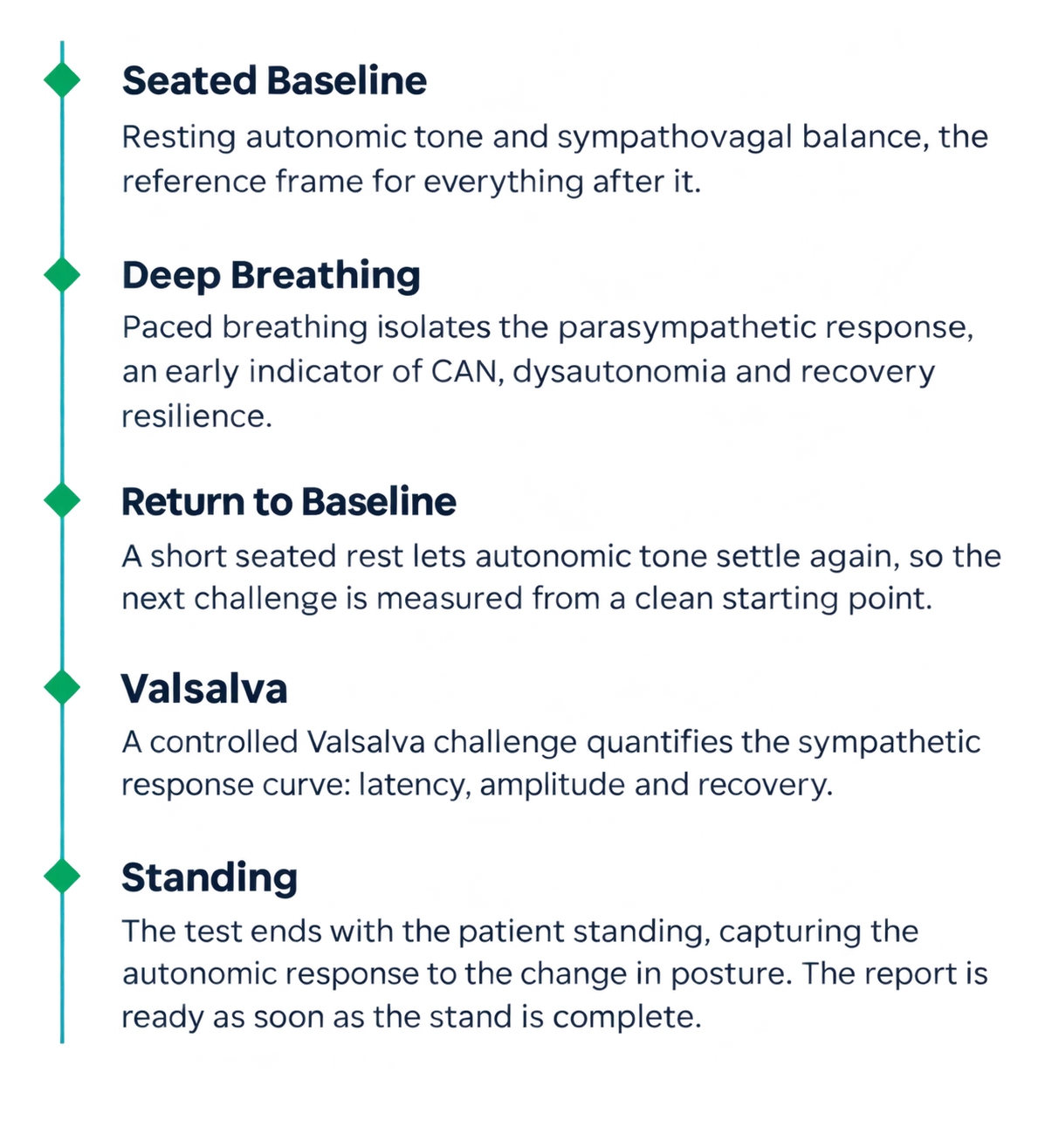
- Seated Baseline
- Deep Breathing
- Return to Baseline
- Valsalva
- Standing
See the technology live in a 60-minute virtual session.

— For Your Practice
See More High-Value Patients
Many autonomic patients spend a decade seeing four or five doctors who focus only on symptoms. Be the practice that identifies the underlying cause, and the provider patients will travel to see.
Differentiation
The only solution on the market that measures both parasympathetic and sympathetic branches independently, simultaneously and quantitatively.
Reputation
Become the regional destination for a diagnosis nobody else in your area offers.
Referrals
Colleagues send you the cases they cannot resolve, and those patients come back for everything else.
Revenue
A new, supportable revenue line backed by fundable billing codes, without adding staff.
✓ FDA 510(k) Cleared ✓ Patented Technology ✓ Backed by Published Research ✓ In Business Since 2019
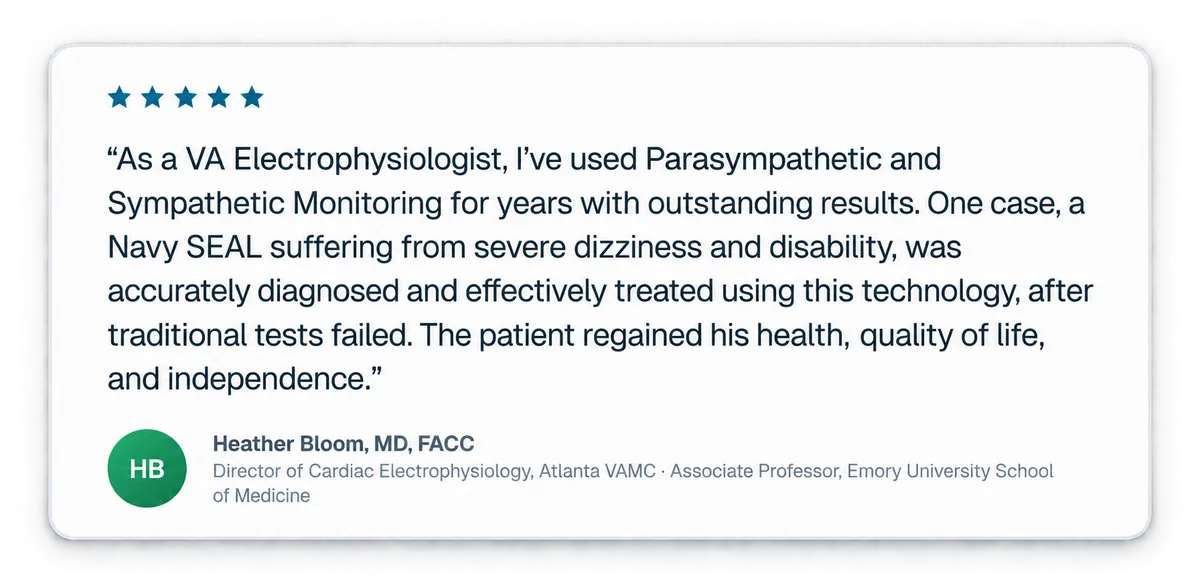
— Physician and Patient Voices
What Physicians and Patients
Say About Working With Us
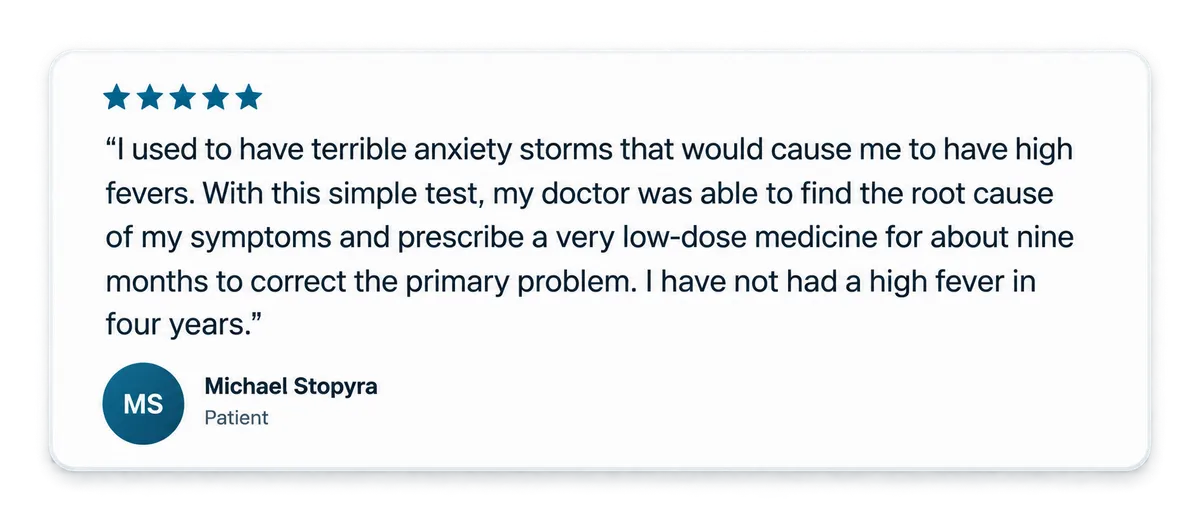
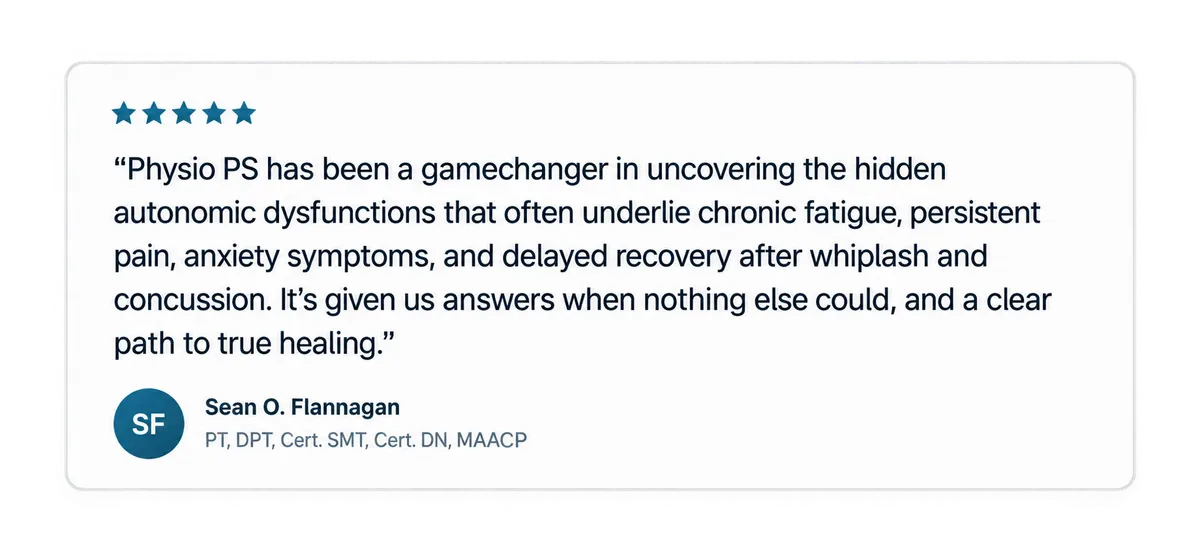
Medical professionals using the technology in practice, and a patient who found an answer through it.
— Your Specialty
What Autonomic Testing
Adds to Your Practice
ANS Monitoring for Sports Performance
Quantify the autonomic contribution to dysrhythmia, syncope and heart failure, with both branches measured independently in a 15-minute session.
Roughly 80% of atrial dysrhythmias involve the P&S systems; monitoring specifies which branch, rather than treating all of them as cardiogenic
Congestive heart failure shows a rising sympathetic baseline up to four days before the 3% weight-gain indicator
Vasovagal, neurogenic and cardiogenic syncope separate on the stand response, where tilt-table struggles to differentiate
— The Unsolved Cases
Every Medical Professional Has the Patients They Could Not Close the Loop On
The POTS case that bounced between cardiology and psychiatry. The Long-COVID or PTSD patient whose labs come back normal while the symptoms stay real. The patient who has already seen everyone and tells you so.
Those visits cost time, and they leave without an answer or a follow-up. Autonomic dysfunction affects an estimated 90 million people, and most of it is never measured. When you can measure it, the unsolved case becomes a solved one, and a referral source.
POTS, differentiated from syncope by the direction of the sympathetic response to standing
Long-COVID, with the autonomic component quantified when standard testing reads normal
PTSD, where the quality-of-life symptoms are autonomic and therefore measurable
Forty-three conditions in total, each with the parasympathetic or sympathetic pattern behind it
— The technology
The Only P&S Test On the Market
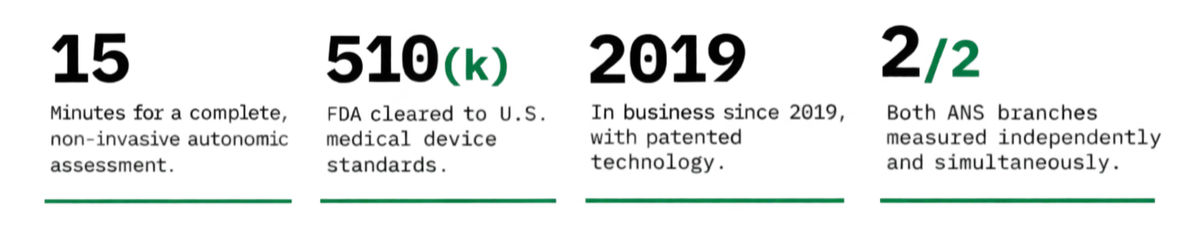
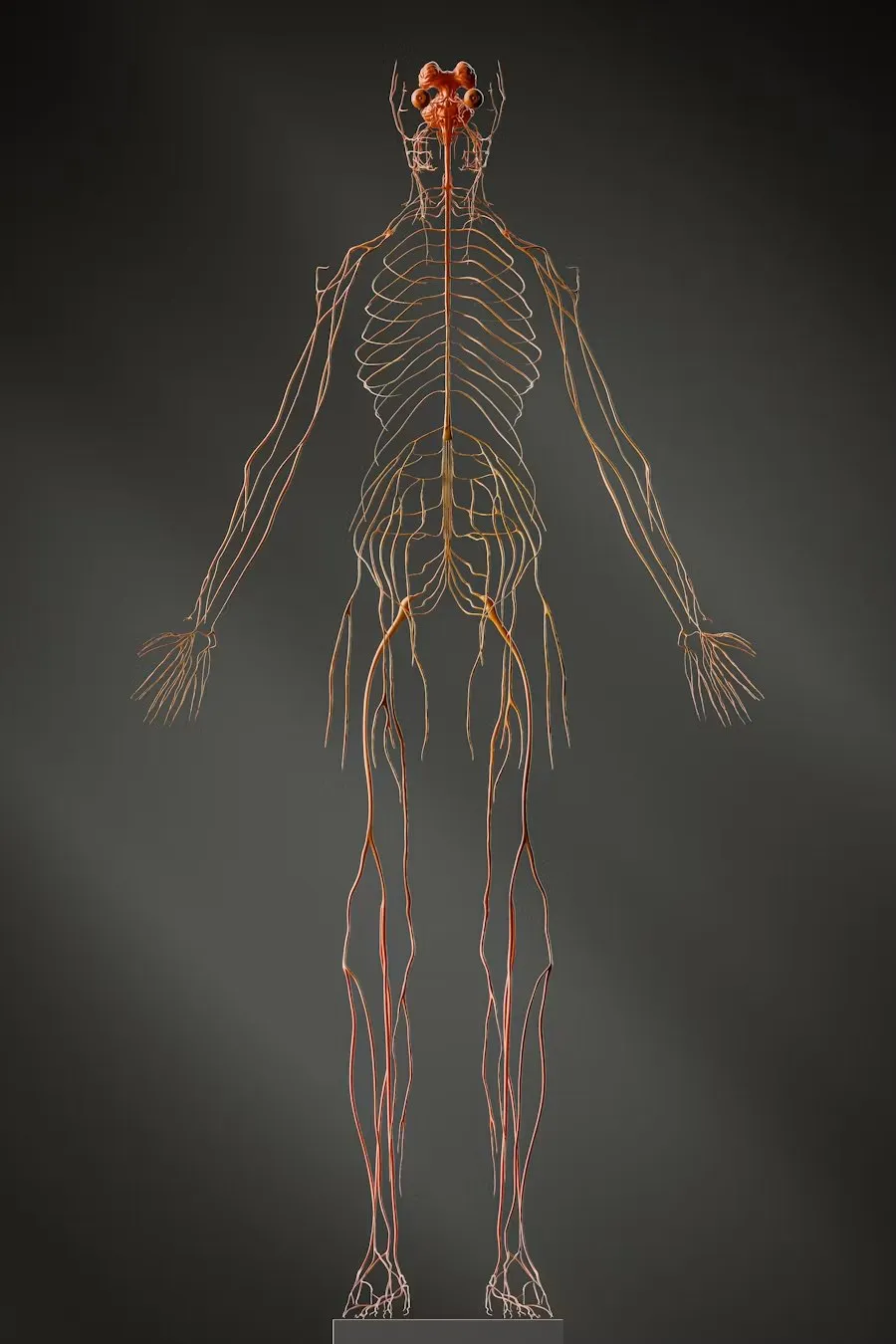
Most autonomic monitoring only measures the sympathetic nervous system or heart rate variability. Physio PS monitors both Parasympathetic and Sympathetic branches independently, simultaneously, and quantitatively, using algorithmic measurement of LFa and RFa.
Independent P&S monitoring. Simultaneously and independently quantify Parasympathetic (RFa) and Sympathetic (LFa) activity: dual-branch precision no other technology on the market achieves.
15-minute test. A simple, non-invasive monitoring session that reveals what standard tests miss. No needles, no radiation, no risk.
FDA 510(k) cleared. A regulatory-cleared medical device backed by peer-reviewed clinical research and validated diagnostic algorithms.
Portable and deployable. Battery-powered, compact design for clinics, in-home care, sports medicine, field deployment and mobile diagnostics.
Revenue generator. Supported by fundable billing codes, with multiple purchase options.
Dual-branch measurement validated by Colombo et
al. Clinical Autonomic Dysfunction: Measurement,
Indications, Therapies, Springer.
— Clinical impact
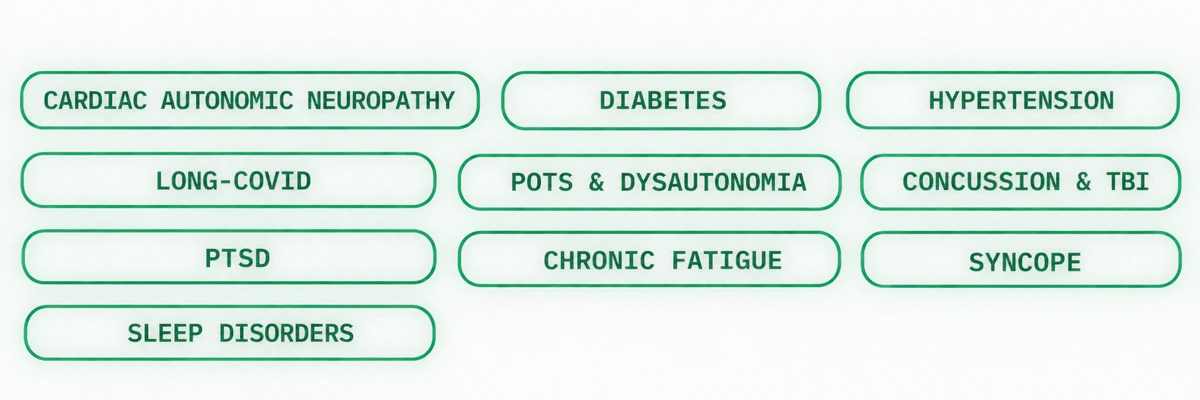
50+ Conditions. One Platform.
ANS testing provides physicians with actionable data across an unprecedented spectrum of diseases and disorders, many of which go undetected by standard diagnostic methods.
— Who We Serve
Built Around How Your
Specialty Actually Works
The same FDA-cleared assessment answers a different question in each practice. Find yours below.
CARDIOLOGISTS & ELECTROPHYSIOLOGISTS
Cardiology
Differentiate syncope from orthostatic dysfunction, quantify the autonomic component of dysrhythmia, and catch CHF decompensation before weight gain shows it.
NEUROLOGISTS
Neurology
Separate parasympathetic from sympathetic drivers in headache, migraine, Parkinsonism and MSA, and identify autonomic neuropathy at its earliest stage.
GPS, PHYSICIANS,
NATUROPATHS,
INTEGRATIVE HEALTH
Primary & Integrative Care
Add autonomic nervous system testing to your annual patient assessment to help evaluate autonomic function, provide objective clinical insights, and better understand symptoms such as fatigue, anxiety, and dizziness.
CHIROPRACTORS, PAIN CLINICS
Pain & Chiropractic
Document the autonomic component of chronic pain, CRPS and post-concussion recovery, and track response to care visit over visit.
LONGEVITY
Longevity & Wellness
Measure recovery, overtraining and concussion objectively, and build longevity programmes on autonomic balance rather than heart rate variability alone.
RESEARCHERS, CLINICAL TRIALS, AEROTOXICITY
Research & Clinical Trials
A one-year renewable research license on the same platform used by physicians worldwide, measuring both branches independently and simultaneously.
— COnditions
43 Conditions Where Autonomic
Data Changes the Picture
Grouped by specialty, each with the parasympathetic or sympathetic pattern behind it.
Neurology
Headaches
P&S-mediated headaches trace to improper brain perfusion. Monitoring specifies whether the parasympathetic or sympathetic branch is driving it.
Migraine
Some forms are parasympathetically mediated, some sympathetically. Monitoring separates the two and enables more specific therapy.
ADD / ADHD
Characterised by a challenge PE that causes a secondary SE, responsible for both the attention deficit and the hyperactivity.
Depression
Characterised by PE, resting or challenge. Depression persisting after P&S are balanced is psychological rather than physiologic.
Anxiety
Two underlying forms: resting sympathetic excess, or a challenge PE releasing excess adrenaline secondary to depression.
Post-Traumatic Stress Disorder (PTSD)
Involves both PE and SE, presenting as sleep, GI, bladder and bowel dysfunction, lightheadedness and depression.
Sleep Disorders
Night-time sleeplessness is associated with SE; daytime sleepiness with PE.
Parkinson’s Disease
A catecholaminergic disorder. Monitoring identifies cardiovascular autonomic neuropathy to help minimise mortality risk.
Multiple System Atrophy (Shy-Drager)
Nearly identical to Parkinson’s early on. Because Parkinson’s preserves sympathetic innervation to the heart, monitoring differentiates the two sooner.
Idiopathic Peripheral Autonomic Neuropathy
One of the earliest signs of P&S dysfunction, enabling earlier and more aggressive therapy.
Chronic Regional Pain Syndrome (CRPS / RSD)
Pain with both SE, from the stress of pain, and PE, from compromised regional blood flow.
Multiple Sclerosis
P&S balance helps maintain quality of life; monitoring identifies autonomic neuropathy to minimise mortality risk.
Polyneuropathy
Sensory and motor neuropathies are preceded by autonomic neuropathy causing poor circulation.
Orthostatic Hypotension
Associated with sympathetic withdrawal causing a drop in blood pressure on standing. Monitoring quantifies it specifically.
Syncope and Collapse
Monitoring positively identifies vasovagal and neurogenic syncope, and separates the neuro component from the cardio.
POTS
Monitoring quantifies the sympathetic response to standing, differentiating orthostatic dysfunction from syncope where tilt-table struggles.
Dizziness, Lightheadedness and Vertigo
Multiple causes, especially in geriatrics. Consider vestibular testing alongside P&S monitoring.
Chronic Fatigue Syndrome
Characterised by low sympathetic baseline or challenge PE.
Cardiology
Hypertension
Typically characterised by SE driving up the baroreceptor reflex, beginning with a decline in resting parasympathetic activity.
Cardiac Dysrhythmias
Roughly 80% of atrial dysrhythmias involve the P&S systems. Monitoring specifies which branch.
Atherosclerosis
Induces sympathetic excess, and may be induced by it where endothelial dysfunction is involved.
Mitral Valve Prolapse Syndrome
Empirically associated with parasympathetic excess where not a structural cardiac issue.
Congestive Heart Failure
Characterised by high sympathetic baseline, which precedes even the 3% weight-gain indicator by up to four days.
Angina
A form of coronary artery disease and a function of sympathetic excess, from vasoconstriction or atherosclerotic build-up.
Cardiomyopathy
Characterised by SE; different forms may be induced by orthostatic dysfunction or syncope.
Post-MI
Myocardial infarction causes sympathetic excess; post-MI symptoms follow from it.
Internal Medicine
Post-COVID / Long-COVID
Autonomic dysfunction from a variety of causes, including the diagnosis and treatment of people suffering post-COVID symptoms.
Fibromyalgia
Now accepted as an autonomic dysfunction, typically characterised by challenge PE with secondary SE.
Irritable Bowel Syndrome
IBS with constipation follows parasympathetic insufficiency; IBS with diarrhoea follows PE and excess motility.
Gastroparesis
At least in part a result of parasympathetic insufficiency.
GERD
Overactive gastric motility from PE, or gastroparesis from parasympathetic insufficiency.
Morbid Obesity
Either stress-induced challenge PE putting the body into starvation mode, or a resting low sympathetic baseline keeping metabolism low.
Immunity Deficiency
The parasympathetic system gives the immune system its memory; weak P-activity promotes deficiency.
Edema
Lower-body edema is associated with sympathetic withdrawal; generalised edema with PE.
Sex Dysfunction
Requires coordination between both branches; monitoring shows which is out of balance.
Endocrinology
Diabetes
Both types are characterised by SE, then by the continuing effects of sugar acidosis on the vagus nerve.
Thyroid Disorders
Hyperthyroidism is characterised by SE, hypothyroidism by PE shutting down hormone production.
Menopausal Symptoms
Characterised by challenge PE, shutting down oestrogen and progesterone production at least in part.
Pulmonology
Sleep Apnea
Parasympathetic insufficiency underlies soft-palate collapse; CPAP relieves the stress but not the sympathetic excess behind the comorbidities.
COPD
Beta-2 adrenergic agonists affect the heart. Monitoring helps titrate therapy without inducing heart disease via induced SE.
Asthma
The same titration question as COPD: manage the airway without driving sympathetic excess.
Nephrology
Hypertensive Renal Disease
Characterised by SE, then by the continuing effects of uremic toxicity on the vagus nerve.
Renal Failure
Resting sympathetic excess is exacerbated, either causing or caused by the hypertension.
P = parasympathetic, S = sympathetic. PE and SE denote excess in the respective branch; SW denotes sympathetic withdrawal.
— Solutions
5 Ways to Bring Autonomic Testing Into the Work You Already Do
From a desktop unit in a clinic room to a research license for a university lab, every configuration runs the same proprietary software and the same automated reporting.

Clinical Monitoring Unit (CMU)
The Clinical Monitoring Unit is a desktop-based ANS monitoring system designed for any clinic environment. FDA 510(k) cleared and supported by fundable billing codes, the CMU gives your practice a deeper look at autonomic function, while opening a new, supportable revenue stream.

ANS Monitoring Integration
ANS monitoring integration from Physio PS helps medical practices add autonomic function testing to existing treatment protocols, with automated workflows, patient-facing reports, and clinical guidance included. No complex setup, no steep learning curve, and potential for cash-based add-on services
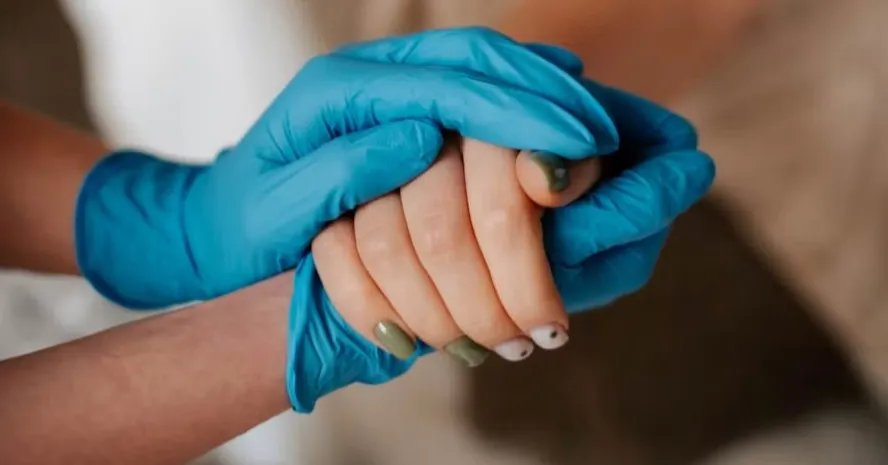
Remote Monitoring Unit (RMU)
The Remote Monitoring Unit is a portable, tablet-based ANS monitoring system built for in-home care providers and sports medicine practitioners. Battery-powered and compact, it brings the same complete autonomic function testing to any setting, without being tethered to a clinic.

Portable Autonomic Lab (PAL)
The Portable Autonomic Lab is a laptop-based ANS monitoring solution built for the medical professional who moves between facilities or works in the field. Multiple power options and a compact form factor mean you get complete autonomic function testing wherever the work takes you.
Research Software Program (Physio PS 4.0)
Physio PS 4.0 is a research-grade ANS software program available to approved researchers on a one-year renewable license. Built on the same platform trusted by physicians worldwide, it gives research teams the autonomic monitoring tools needed for rigorous, publishable work.
— Return on Investment

Low Barrier to Entry, Fast Return
The assessment is non-invasive, takes fifteen minutes, and is supported by fundable billing codes. It runs inside your existing protocols rather than replacing them, so the cost of adopting it is measured in training hours rather than in a rebuild of your practice.
Veteran-owned discounts for qualifying practices
Financing options with low monthly payments, so the equipment does not sit against your capital budget
Fundable billing codes that add a documented revenue line without adding staff burden
Cash-based add-on services: biofeedback and recovery coaching, preventive screenings, performance packages
✓ FDA 510(k) Cleared ✓ Patented Technology ✓ Backed by Published Research ✓ In Business Since 2019
— About Physio PS, Inc.
A Diagnosis That Saved a Life, Turned into a Company

Co-founder Steve O'Leary thought he was in good health, until a routine 15-minute ANS monitoring session revealed he had Cardiac Autonomic Neuropathy. That diagnosis, he says, saved his life.
Today the company brings together doctors, researchers, and clinical support staff united by one mission: to improve the way people understand and respond to imbalances in the autonomic nervous system.
— Collaboration
Our Trusted Research Partners


Desktop ANS Monitoring Built for Your Clinic
The Clinical Monitoring Unit (CMU) is Physio PS’s flagship desktop-based autonomic nervous system monitoring system, purpose-built for clinic environments where reliability and workflow integration matter most. Designed for physicians who want to offer complete ANS function testing without disrupting their existing protocols, the CMU delivers fully automated assessments in a non-invasive. Supported by fundable billing codes and backed by FDA 510(k) clearance, the CMU includes training and certification so your team is ready from day one.
Supported by fundable billing codes, which add a documented revenue stream to your practice without adding staff burden
FDA 510(k) cleared: meets U.S. medical device standards so you can integrate with confidence
Automated qualitative, quantitative, and graphical reports delivered without manual interpretation
Includes training and certification so your team is ready from day one
A clear point of difference: the only solution on the market that measures both parasympathetic and sympathetic branches independently, simultaneously and quantitatively
See the CMU in action, book a free demo and find out how it fits your clinic.
✓ FDA 510(k) Cleared ✓ Patented Technology ✓ Backed by Published Research

✓ FDA 510(k) Cleared ✓ Patented Technology ✓ Backed by Published Research
— Distribution Partners
Become a Distributor
Bring ANS monitoring to the clinics in your territory, with an FDA-cleared, patented platform that medical professionals buy for results they can measure.
Five solutions to offer: the CMU, RMU and PAL systems, practice integration and research licensing
An easier purchase for your clinics: fundable billing codes, financing options and low monthly payments
Veteran-owned discounts for qualifying practices
Training and certification included with every system, so the clinics you sign are ready from day one
A clear point of difference: the only solution on the market that measures both parasympathetic and sympathetic branches independently, simultaneously and quantitatively
✓ FDA 510(k) Cleared ✓ Patented Technology ✓ Backed by Published Research ✓ In Business Since 2019
Integrate ANS Testing Into Your Practice

ANS monitoring integration is more than installing hardware; it’s redesigning how your practice identifies and responds to autonomic dysfunction. Physio PS works directly with medical practices to integrate autonomic nervous system function testing into existing clinical workflows. The process includes automated reporting, patient-facing results, and clinical guidance throughout. Whether you’re adding biofeedback coaching, preventive health screenings, or nervous system-focused wellness programs, the integration is designed to fit your protocols, not replace them. No tilt table required. No complex setup.
Integrates with your existing treatment protocols, with no workflow overhaul required
Automated assessments with detailed reports ready for both medical professional review and patient communication
Opens the door to cash-based add-on services: biofeedback and recovery coaching, preventive screenings, and performance optimization packages
Clinical guidance and training included so your team is supported through every step
Ready to add ANS testing to your practice? Book a free demo or speak with an ANS expert today.
✓ FDA 510(k) Cleared ✓ Patented Technology ✓ Backed by Published Research ✓ In Business Since 2019
Portable ANS Monitoring for Home Care and Sports Medicine
The Remote Monitoring Unit (RMU) brings complete autonomic nervous system monitoring to wherever your patients are. Built around a tablet platform and powered by battery, the RMU is compact, portable, and purpose-designed for in-home care providers and sports medicine practitioners who need clinical-grade ANS testing outside a traditional clinic setting. It includes the same proprietary software and reporting engine as the CMU, the hardware just goes where you go. The RMU comes packaged in a compact nylon briefcase with a heart rate monitor, ECG leads, blood pressure cuff, and full training and certification.
Battery-powered and tablet-based, fully functional without a fixed power source or desk setup
Compact nylon briefcase keeps everything organised and ready for in-home or field visits
Same software and reporting as the clinic unit, with no compromise on diagnostic quality
Designed to support practice revenue generation, ask about billing code applicability during your demo
Find out if the RMU is the right fit for your practice, book a free demo today.
✓ FDA 510(k) Cleared ✓ Patented Technology ✓ Backed by Published Research ✓ In Business Since 2019

Laptop-Based Autonomic Lab for Medical Professionals on the Go

The Portable Autonomic Lab (PAL) is Physio PS’s laptop-based ANS monitoring solution, designed for the medical professional who doesn’t stay in one place. Whether you’re moving between hospital departments, travelling between facilities, or conducting field-based assessments, the PAL delivers complete autonomic nervous system testing without sacrificing reporting depth. Multiple power options give it flexibility the desktop unit can’t match, and the compact nylon briefcase keeps the full kit organised and ready for wherever the work takes you.
Multiple power options mean the PAL works in settings where a fixed power source isn’t guaranteed
Laptop-based form factor is lighter and more deployable than desktop equipment without losing software capability
Same proprietary software, training, and certification included, for consistent clinical results across every location
Enables more personalised patient care by bringing the assessment to the patient, not the other way around
See the PAL in action, book a free demo and find the configuration that fits your practice.
✓ FDA 510(k) Cleared ✓ Patented Technology ✓ Backed by Published Research ✓ In Business Since 2019
ANS Research Software for Autonomic Dysfunction Studies
Physio PS 4.0 is the research software program from Physio PS, made available to approved researchers under a one-year renewable research license. If your work involves autonomic dysfunction, cardiac autonomic neuropathy, or parasympathetic and sympathetic function, this is the software platform built for it. The same technology that underpins the clinical monitoring units has been used at multiple research institutions and has contributed to published studies and books. Researchers apply for access via an online form on the Research Center page, licenses are reviewed and granted to approved applicants.
Built on the same platform used by physicians and researchers worldwide, not a stripped-down academic version
One-year renewable license gives research teams sustained access without long-term procurement barriers
Backed by published research: you’re building on an established evidence base, not starting from scratch
Measures both parasympathetic and sympathetic branches independently and simultaneously, a capability no other tool on the market provides
Apply for a research license or speak with an ANS expert to find out if Physio PS 4.0 is right for your study.
✓ FDA 510(k) Cleared ✓ Patented Technology ✓ Backed by Published Research ✓ In Business Since 2019

— Reporting engine
From Recording to Clinical Report by the Time the Patient Stands
Every configuration runs the same proprietary software: spectral P&S analysis, automated pattern recognition and a report ready for medical professionals generated without manual interpretation.
An actual Physio PS 4.0 multi-parameter graphical report. RFa is known to be a measure of Parasympathetic activity, and LFa is known to be a measure of Sympathetic activity, based on Colombo J, Arora RR, DePace NL, Vinik AI, Clinical Autonomic Dysfunction: Measurement, Indications, Therapies, and Outcomes, Springer Science + Business Media, New York, NY.
— The deliverable
Multi-Parameter Graph Report
Equipped with state-of-the-art autonomic monitoring tools, Physio PS is able to provide its clients with unparalleled insights into their autonomic nervous system function.
Heart rate, blood pressure and both autonomic branches on one page, phase by phase
E/I, Valsalva and 30:15 ratios reported against normal ranges
Numerical summary across baseline, deep breathing, Valsalva and standing
Colour-coded interpretation: blue for RFa, red for LFa, green for borderline
— Session protocol
Seated Baseline
Resting autonomic tone and sympathovagal balance, the reference frame for everything after it.
Seated Baseline
Resting autonomic tone and sympathovagal balance, the reference frame for everything after it.
Return to Baseline
A short seated rest lets autonomic tone settle again, so the next challenge is measured from a clean starting point.
Valsalva
A controlled Valsalva challenge quantifies the sympathetic response curve: latency, amplitude and recovery.
Standing
The test ends with the patient standing, capturing the autonomic response to the change in posture. The report is ready as soon as the stand is complete.
Not Sure Which Configuration Fits?
Tell us how your practice runs and we will point to the unit that suits it: clinic, home care, field or research.
✓ FDA 510(k) Cleared ✓ Patented Technology ✓ Backed by Published Research ✓ In Business Since 2019
— Next Step
Start Where It Makes Sense for You
FDA 510(k) cleared autonomic nervous system monitoring for clinics, home care and research. Serving physicians, clinics and researchers across the United States and worldwide.
Site
Who We Serve
Journal
Contact
603-287-1817
80 Nashua Rd, Building C, Unit G1, Londonderry, NH 03053
© 2026 Physio PS, Inc. All rights reserved. FDA 510(k) cleared · Patented · Established 2019.
Hours available on request, ask during your demo.
Copyright 2026 Physio PS, Inc. All Rights Reserved.
The material and information provided by Physio PS is for general information purposes only. You should not rely upon this material or information for basis of making healthcare, treatment, or diagnosis decisions. While Physio PS strives to provide the most correct and up-to-date information and data, Physio PS makes no representations or warranties of any kind, expressed or implied, about the completeness, accuracy, reliability, suitability, or availability with respect to the information, products, services, or related graphics contained. Any reliance placed on such material is therefore strictly at your own risk. Reporting Information is supplied under license by NCRC LLC. * ‘RFa’ is known to be a measure of Parasympathetic activity and ‘LFa’ is known to be a measure of Sympathetic activity, based on reference: Colombo J, Arora RR, DePace NL, Vinik AI, Clinical Autonomic Dysfunction: Measurement, Indications, Therapies, and Outcomes. Springer Science + Business Media, New York, NY; 2014.
— FAQ
Questions Practices Ask Before They Start
Straight answers on time, cost, clearance and fit.
How long does an assessment take?
A complete autonomic assessment is non-invasive and takes 15 minutes. It is fully automated, and the qualitative, quantitative and graphical reports are delivered without manual interpretation.
Is the technology FDA cleared?
Yes. The platform is FDA 510(k) cleared to U.S. medical device standards, patented, and backed by published research.
How is testing paid for?
The Clinical Monitoring Unit is supported by fundable billing codes. For the other systems, ask about billing code applicability during your demo. Financing options, low monthly payments and veteran-owned discounts are available to qualifying practices.
Do we need extra staff, space or a tilt table?
No. Testing integrates with your existing treatment protocols with no workflow overhaul and no tilt table required. Training and certification are included, so your team is ready from day one.
How is this different from heart rate variability tools?
It is the only solution on the market that measures both parasympathetic and sympathetic branches independently, simultaneously and quantitatively, rather than reporting one blended figure.
Which system fits my practice?
The CMU is a desktop system for clinics, the RMU is tablet-based and battery-powered for home care and sports medicine, and the PAL is laptop-based for medical professionals who move between facilities. A free demo is the quickest way to find the right configuration.
How do I become a distributor?
Tell us about your territory and the clinics you work with through the distributor enquiry form, or call 603-287-1817, and the team will follow up to discuss distribution.
Talk to an Autonomic Expert
Fifteen minutes on the phone is usually enough to tell whether ANS monitoring belongs in your practice.
— Next Step
Start Where It Makes Sense for You
— Next Step
Start Where It Makes Sense for You
FDA 510(k) cleared autonomic nervous system monitoring for clinics, home care and research. Serving physicians, clinics and researchers across the United States and worldwide.
Site
Who We Serve
Journal
Contact
603-287-1817
80 Nashua Rd, Building C, Unit G1, Londonderry, NH 03053
© 2026 Physio PS, Inc. All rights reserved.
FDA 510(k) cleared · Patented · Established 2019.
Hours available on request, ask during your demo.
Copyright 2026 Physio PS, Inc. All Rights Reserved.
The material and information provided by Physio PS is for general information purposes only. You should not rely upon this material or information for basis of making healthcare, treatment, or diagnosis decisions. While Physio PS strives to provide the most correct and up-to-date information and data, Physio PS makes no representations or warranties of any kind, expressed or implied, about the completeness, accuracy, reliability, suitability, or availability with respect to the information, products, services, or related graphics contained. Any reliance placed on such material is therefore strictly at your own risk. Reporting Information is supplied under license by NCRC LLC. * ‘RFa’ is known to be a measure of Parasympathetic activity and ‘LFa’ is known to be a measure of Sympathetic activity, based on reference: Colombo J, Arora RR, DePace NL, Vinik AI, Clinical Autonomic Dysfunction: Measurement, Indications, Therapies, and Outcomes. Springer Science + Business Media, New York, NY; 2014.